

As construction plays a pivotal role in shaping our surroundings and driving economic growth, this overview delves into the multifaceted world of construction, exploring its impact, key players, project phases, materials, and techniques. Brace yourself for an enlightening journey through the foundations of this vital industry.
Overview of Construction Industry
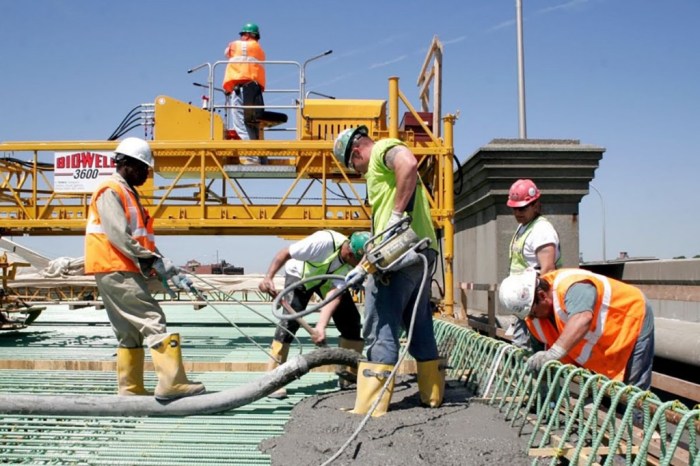
The construction industry plays a crucial role in the economy, acting as a significant driver of growth and development. It encompasses a wide range of activities, from building infrastructure to constructing residential and commercial properties.
Sectors within the Construction Industry
- Residential Construction: Involves the building of houses, apartments, and other residential structures to meet the needs of individuals and families.
- Commercial Construction: Focuses on creating structures such as offices, retail spaces, and hotels to support business activities and economic growth.
- Industrial Construction: Includes projects like factories, warehouses, and manufacturing facilities that are essential for production and distribution activities.
Growth and Contribution to GDP
The construction sector contributes significantly to the Gross Domestic Product (GDP) of a country. In the United States, for example, the construction industry accounts for around 4% of the GDP. The growth of this sector is closely tied to economic expansion, infrastructure development, and urbanization trends.
Key Players in Construction

In the construction industry, several key players are involved in the process of planning, designing, and executing construction projects. Each stakeholder plays a crucial role in ensuring the successful completion of a construction project.
Contractors
Contractors are responsible for the actual construction work on-site. They oversee the day-to-day operations, manage subcontractors, and ensure that the project is completed within the specified timeline and budget.
Architects
Architects are involved in the design and planning phase of a construction project. They create the blueprints, drawings, and specifications that guide the construction process. Architects work closely with clients to ensure that their vision is accurately translated into the final structure.
Engineers
Engineers are responsible for the structural integrity of the building. They design the structural framework, ensure compliance with building codes and regulations, and conduct tests to evaluate the safety and durability of the construction project.
Project Managers
Project managers oversee the entire construction project from start to finish. They coordinate the efforts of all stakeholders, manage budgets and schedules, and ensure that the project meets quality standards and client expectations.
Phases of Construction Projects
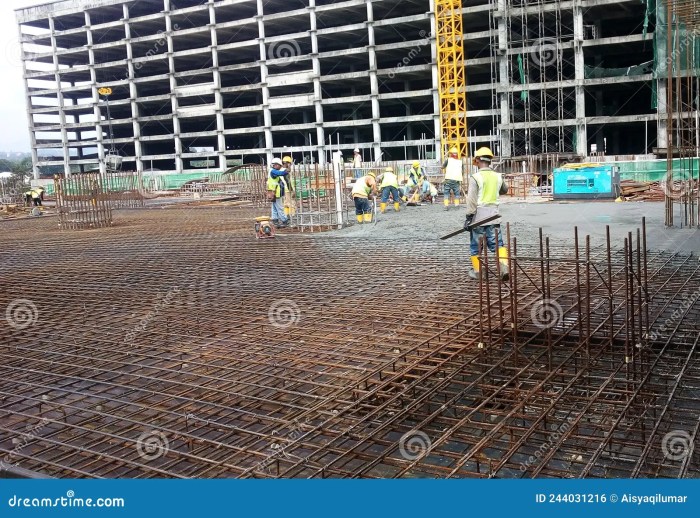
Construction projects typically go through several phases, each with its own set of activities and tasks. These phases are crucial in ensuring the successful completion of a project from start to finish.
1. Planning Phase
The planning phase is where the project is conceived and initial decisions are made. Activities in this phase include defining project goals, determining the scope of work, establishing a budget, and creating a timeline. Examples of tasks in this phase include conducting feasibility studies, obtaining permits, and selecting the project team.
2. Design Phase
During the design phase, the project team works on developing detailed plans and drawings. This phase involves architects, engineers, and other specialists who create the blueprint for construction. Tasks in this phase include creating architectural drawings, structural engineering plans, and MEP (mechanical, electrical, plumbing) designs
3. Pre-Construction Phase
The pre-construction phase involves finalizing plans, obtaining necessary approvals, and preparing the site for construction. Activities in this phase include conducting site surveys, finalizing contracts with subcontractors, and mobilizing resources. Tasks may include setting up temporary facilities, ordering materials, and finalizing schedules.
4. Construction Phase
The construction phase is where the actual building process takes place. This phase involves coordinating labor, materials, and equipment to bring the project to life. Tasks in this phase include excavation, foundation work, framing, installation of utilities, and finishing work like painting and landscaping.
5. Post-Construction Phase
Once construction is complete, the project enters the post-construction phase. This phase involves final inspections, obtaining occupancy permits, and handing over the completed project to the client. Tasks in this phase include conducting final walkthroughs, addressing any punch list items, and providing maintenance manuals and warranties to the client.
Construction Materials and Techniques
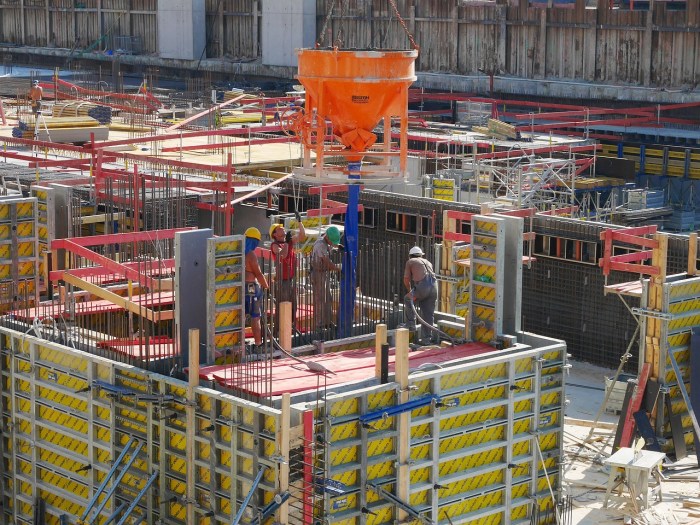
Construction materials and techniques play a crucial role in the success of any construction project. The choice of materials and construction methods can greatly impact the efficiency, durability, and sustainability of the final structure.
Common Construction Materials
- Concrete: One of the most widely used construction materials due to its strength and versatility.
- Steel: Known for its durability and ability to support heavy loads, commonly used in structural frameworks.
- Wood: A traditional building material that is still popular for its aesthetic appeal and sustainability.
- Bricks: Used for both structural and aesthetic purposes, offering durability and fire resistance.
Traditional vs. Modern Construction Techniques
Traditional construction techniques involved on-site assembly of materials, while modern methods have introduced innovative approaches to improve efficiency and quality. For example, prefabrication allows for the off-site manufacturing of building components, reducing construction time and waste. 3D printing is another emerging technique that enables the creation of complex structures with precision and speed.
Advancements in Materials and Techniques
- Efficiency: Modern materials and techniques have streamlined the construction process, leading to faster project completion and cost savings.
- Sustainability: The use of eco-friendly materials and energy-efficient construction methods has contributed to a more sustainable approach to building. For example, the adoption of green building practices reduces the environmental impact of construction projects.
- Durability: Advances in materials science have resulted in stronger and more durable construction materials, ensuring the longevity of structures and reducing maintenance costs over time.
Ending Remarks
In conclusion, the construction industry stands as a dynamic powerhouse fueling progress and innovation. From the initial planning stages to the final touches, each aspect contributes to the tapestry of modern development. Embrace the opportunities and challenges that come with building our future.
Answers to Common Questions
What are the key sectors within the construction industry?
The main sectors include residential, commercial, industrial, and infrastructure construction.
Who are the main stakeholders in a construction project?
The key players are contractors, architects, engineers, project managers, and clients.
What are the typical phases of a construction project?
The phases usually involve planning, design, pre-construction, construction, and post-construction activities.
How have advancements in construction materials and techniques improved sustainability?
Advancements have led to eco-friendly materials, energy-efficient designs, and streamlined construction processes.