

Embark on a fascinating exploration of cultural traditions, where the essence of societies past and present intertwine in a tapestry of customs and practices. From rituals to festivals, traditional clothing to cuisine, this narrative dives deep into the heart of what makes each culture unique and cherished.
Cultural Traditions Overview
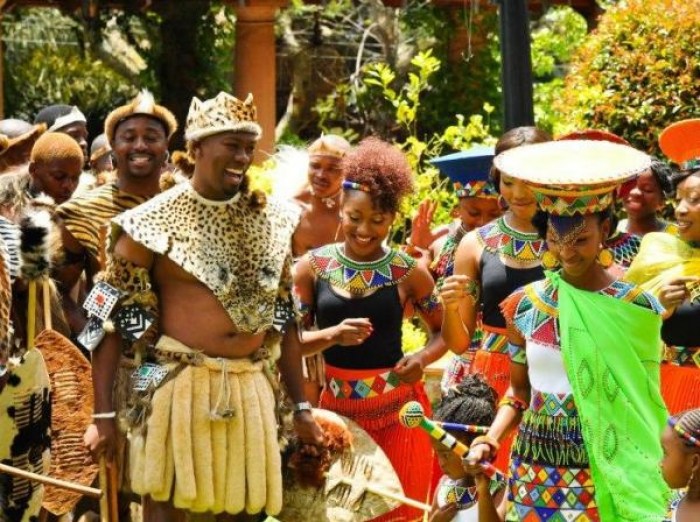
Cultural traditions are the practices, beliefs, customs, and behaviors that are passed down from generation to generation within a society. These traditions play a crucial role in shaping the identity and values of a community, providing a sense of continuity and connection to the past.
They help individuals understand their heritage, build relationships, and create a sense of belonging.
Types of Cultural Traditions
- Religious Traditions: These include rituals, ceremonies, and observances related to various faiths and beliefs, such as Christmas, Diwali, or Ramadan.
- Ceremonial Traditions: Events like weddings, funerals, and coming-of-age ceremonies that mark important milestones in a person's life.
- Festive Traditions: Celebrations like Carnival in Brazil, Chinese New Year, or Oktoberfest in Germany that bring communities together to commemorate special occasions.
- Culinary Traditions: Cooking methods, recipes, and dining etiquette that are unique to a particular culture and are often passed down through family recipes.
Passing Down Cultural Traditions
Cultural traditions are typically passed down through storytelling, hands-on experiences, and participation in community events. Families play a vital role in teaching children about their cultural heritage, ensuring that traditions are preserved and carried forward to future generations. Communities also come together to celebrate and practice these traditions, reinforcing a sense of unity and shared identity.
Rituals and Ceremonies
Rituals and ceremonies play a significant role in cultural traditions around the world. They are formalized practices that often hold deep symbolic meaning and are passed down from generation to generation.
Wedding Ceremonies
Wedding ceremonies are a common ritual practiced in various cultures to celebrate the union of two individuals. These ceremonies often involve specific traditions and customs, such as exchanging vows, wearing special attire, and performing rituals like the lighting of unity candles or tying the knot.
The symbolism behind these rituals varies but usually signifies the couple's commitment, love, and the merging of two families.
Funeral Rituals
Funeral rituals are another significant part of cultural traditions, serving as a way to honor and remember the deceased. Different cultures have unique funeral practices, such as burial ceremonies, cremation rituals, or memorial services. These rituals often involve specific customs like prayers, offerings, and ceremonies to guide the soul to the afterlife.
The symbolism behind these rituals can represent a belief in the continuity of life, paying respects to the departed, and providing closure for the grieving.
Coming of Age Ceremonies
Coming of age ceremonies mark the transition from childhood to adulthood and are celebrated in various cultures worldwide. These ceremonies often involve specific rituals or tests that symbolize maturity, responsibility, and readiness for adult roles. Examples include the Quinceañera in Latin American cultures, Bar/Bat Mitzvah in Jewish traditions, or the Vision Quest in Native American cultures.
The symbolism behind these ceremonies typically signifies growth, wisdom, and the individual's place within the community.
Festivals and Celebrations
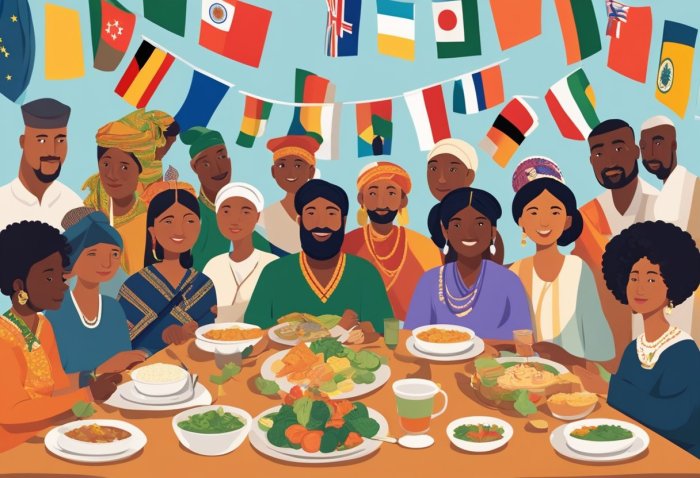
Festivals and celebrations play a crucial role in preserving cultural heritage by providing a platform for communities to come together, pass down traditions to future generations, and showcase unique customs and practices. These events often highlight the values, beliefs, and identity of a particular culture, fostering a sense of belonging and pride among participants.
Major Cultural Festivals Celebrated Globally
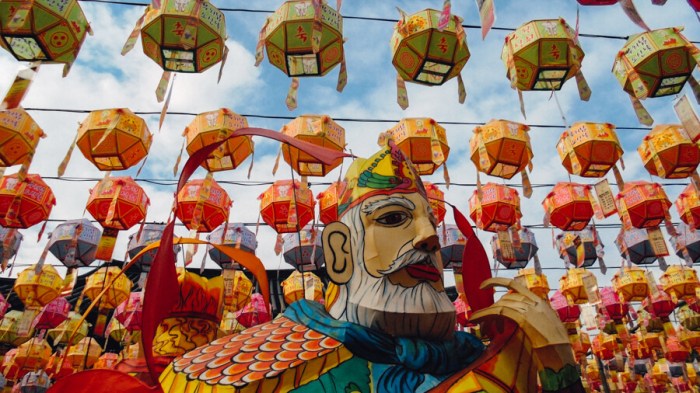
- Chinese New Year: Celebrated by Chinese communities worldwide, this festival marks the beginning of the lunar new year with colorful parades, dragon dances, and family gatherings.
- Diwali: Known as the Festival of Lights, Diwali is celebrated by Hindus, Sikhs, and Jains around the world with fireworks, oil lamp decorations, and feasting.
- Carnival: Held in various countries such as Brazil, Trinidad and Tobago, and Italy, Carnival is a vibrant celebration featuring elaborate costumes, music, and dance.
- Oktoberfest: Originating in Germany, Oktoberfest is a beer festival celebrated globally with traditional Bavarian music, food, and, of course, beer.
Celebration of Festivals in Different Cultures
While festivals are celebrated globally, the way they are observed can vary significantly based on cultural traditions, customs, and beliefs.
| Culture | Celebration |
|---|---|
| Indian | Colorful and lively festivals involving traditional clothing, intricate decorations, and religious rituals. |
| Japanese | Subtle and refined festivals focused on nature, such as cherry blossom viewing or tea ceremonies. |
| African | Rhythmic and spirited celebrations with drumming, dancing, and storytelling to honor ancestors and community unity. |
| Mexican | Vibrant festivals featuring music, dance, elaborate costumes, and altars to commemorate Day of the Dead and other cultural traditions. |
Traditional Clothing and Attire
Traditional clothing plays a significant role in cultural traditions around the world. It not only reflects the history and values of a particular culture but also serves as a form of identity and pride for its wearers. The designs, colors, and materials used in traditional attire often carry symbolic meanings and are deeply rooted in the heritage of a community.
Examples of Traditional Attire
- Kimono - A traditional Japanese garment characterized by long sleeves and a wrap-around design, often worn on special occasions such as weddings or tea ceremonies.
- Sari - A draped garment worn by women in India, consisting of a long piece of fabric wrapped around the body in various styles, showcasing intricate patterns and vibrant colors.
- Dashiki - A colorful garment worn in West Africa, typically featuring embroidery and bright hues, symbolizing cultural pride and heritage.
Influence of History, Geography, and Social Customs
Traditional clothing is influenced by a variety of factors, including historical events, geographical location, and social customs. For example, the use of specific colors or patterns in traditional attire may be linked to historical events or religious beliefs. Geographical factors such as climate and natural resources can also impact the materials and styles of traditional clothing.
Additionally, social customs and rituals play a role in determining when and how traditional attire is worn, with certain garments reserved for specific ceremonies or celebrations.
Food and Cuisine
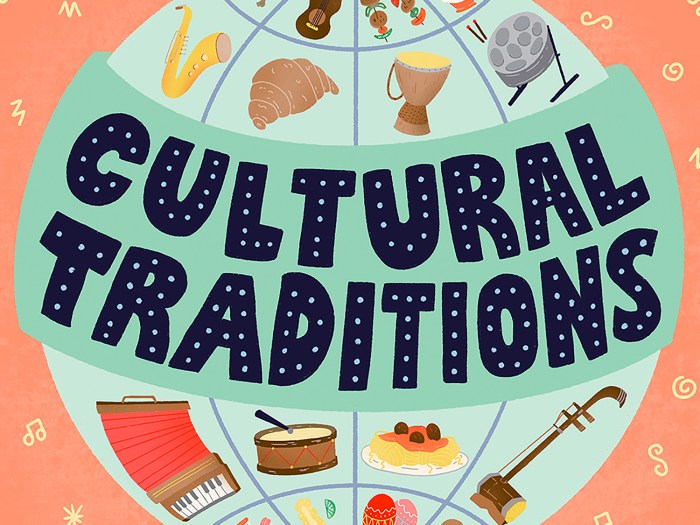
Food and cuisine play a significant role in cultural traditions, serving as a gateway to understanding the history, values, and identity of a particular culture. It is through food that traditions are passed down from generation to generation, preserving the unique flavors and cooking methods of a community.
Staple Dishes and Cooking Methods
In every culture, there are staple dishes that hold special significance and are often enjoyed during celebrations or everyday meals. These dishes are prepared using cooking methods that have been perfected over time, reflecting the cultural heritage and values of the community.
For example, in Italian cuisine, pasta dishes like spaghetti carbonara and lasagna are staples that highlight the use of fresh ingredients and traditional techniques.
Cultural Identity and Heritage
Food traditions are deeply intertwined with cultural identity and heritage, as they showcase the unique flavors, ingredients, and cooking styles of a particular region or community. For instance, the use of spices in Indian cuisine not only adds flavor to the dishes but also reflects the rich history and diverse cultural influences of the country.
Food serves as a way to connect with one's roots, preserving traditions and honoring ancestors through the act of cooking and sharing meals.
Outcome Summary
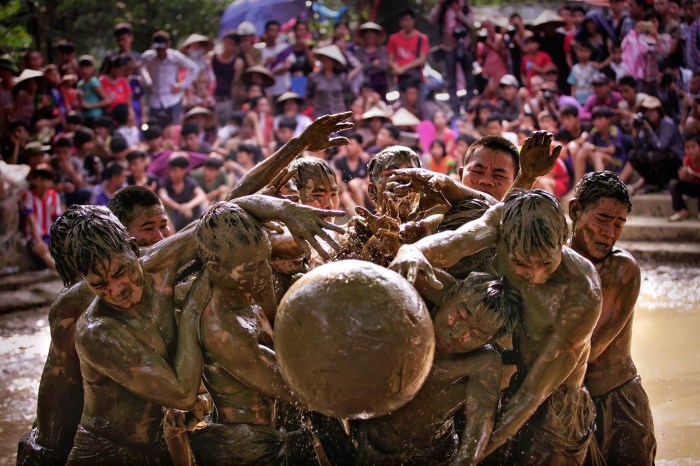
As we conclude this insightful journey into cultural traditions, we reflect on the rich tapestry of heritage and identity that these practices weave across generations. From the vibrant celebrations to the symbolic rituals, each tradition stands as a testament to the resilience and beauty of diverse cultures worldwide.
FAQ Guide
Why are cultural traditions important?
Cultural traditions are essential as they provide a sense of identity, belonging, and continuity to a community or society.
How do cultural traditions evolve over time?
Cultural traditions evolve through a combination of historical influences, societal changes, and interactions with other cultures.
Are all cultural traditions passed down through generations?
While many cultural traditions are passed down through generations, some may evolve or fade away due to various factors.