Crafting a Flawless Home Siding Installation: A Comprehensive Guide
Embark on a journey through the realm of home siding installation, where the importance of quality siding and professional installation reign supreme. Dive into the different materials available and uncover the secrets to a seamless finish that lasts a lifetime.
Overview of Home Siding Installation

Home siding plays a crucial role in protecting the exterior of a house from various elements such as weather, pests, and moisture. It also enhances the curb appeal and overall value of the property.
Types of Siding Materials
- Vinyl Siding: Affordable, low maintenance, and available in a wide range of colors and styles.
- Fiber Cement Siding: Durable, fire-resistant, and can mimic the look of wood or stucco.
- Wood Siding: Offers a natural and timeless look, but requires regular maintenance to prevent rot and pests.
- Aluminum Siding: Lightweight, easy to install, and resistant to rust and corrosion.
- Composite Siding: Made from a mix of materials for enhanced durability and aesthetics.
Benefits of Professional Siding Installation
- Expertise: Professionals have the skills and experience to ensure proper installation.
- Quality Workmanship: Professional installation leads to a longer lifespan for the siding.
- Time-Saving: Hiring professionals can save time and effort compared to DIY installation.
- Warranty Coverage: Many professional installations come with warranties for peace of mind.
Common Challenges in Siding Installation
- Improper Installation: Inexperienced installers may not follow best practices, leading to issues down the line.
- Weather Conditions: Extreme weather can delay or affect the installation process.
- Material Compatibility: Ensuring the siding material is compatible with the existing structure is crucial.
- Preparation: Proper preparation of the surface before installation is essential for a long-lasting result.
Preparation for Home Siding Installation
Before starting the home siding installation process, it is crucial to prepare adequately. This includes gathering the necessary tools and equipment, ensuring the exterior wall is ready for siding, taking accurate measurements, and following safety precautions.
Necessary Tools and Equipment
- Vinyl siding panels
- Siding nails
- J-channel
- Utility knife
- Tape measure
- Level
- Hammer
- Pry bar
- Caulk gun
- Safety glasses and gloves
Preparing the Exterior Wall for Siding
Before installing the siding, it is essential to:
- Clean the wall surface to remove dirt, debris, and old paint.
- Repair any damaged areas or rot on the wall.
- Apply a moisture barrier to prevent water infiltration.
- Install furring strips or foam insulation for additional insulation.
Importance of Proper Measurements
Accurate measurements are crucial for a successful siding installation:
- Measure the height and width of each wall to determine the amount of siding needed.
- Account for doors, windows, and other openings when calculating the siding required.
- Double-check all measurements to avoid running short on materials.
Safety Precautions
When working on home siding installation, remember to:
- Wear safety glasses and gloves to protect your eyes and hands.
- Use a sturdy ladder and have a spotter when working at heights.
- Be cautious when using power tools to avoid accidents.
- Follow manufacturer instructions for all tools and materials used.
Installation Process

When it comes to installing home siding, it is crucial to follow a systematic process to ensure a durable and aesthetically pleasing outcome.
Removing Old Siding
Before installing new siding, the old siding must be removed carefully to prevent any damage to the exterior wall. This process typically involves:
- Using a pry bar to loosen and remove the old siding panels.
- Inspecting the wall for any underlying damage or mold that needs to be addressed.
- Cleaning the surface thoroughly to ensure proper adhesion of the new siding.
Installing New Siding
Once the old siding is removed and the wall is prepped, the installation of new siding can begin. The steps involved in this process include:
- Measuring and cutting the siding panels to fit the dimensions of the wall.
- Securing the panels to the wall using nails or screws, following the manufacturer's guidelines.
- Ensuring proper overlap between panels to prevent water infiltration.
- Adding trim pieces and finishing touches for a polished look.
Securing Siding Panels
Properly securing siding panels to the exterior wall is essential for the longevity and stability of the installation. This can be achieved by:
- Using galvanized nails or screws to attach the panels securely to the wall studs.
- Ensuring the panels are level and straight during installation to avoid any gaps or misalignment.
- Checking for any loose panels and reinforcing them as needed to prevent warping or shifting.
Ensuring a Seamless Finish
To achieve a seamless finish for your home siding, attention to detail is key. Some techniques to ensure a smooth and cohesive look include:
- Carefully aligning each panel with the adjacent ones to create a uniform appearance.
- Using color-matched caulking to fill in any gaps or joints between panels.
- Inspecting the entire installation for any imperfections and making necessary adjustments for a flawless finish.
Finishing Touches and Maintenance

After the siding installation is complete, there are a few finishing touches that are essential to ensure the longevity and durability of your home's exterior. Additionally, proper maintenance is crucial to keep your siding looking its best and protecting your home from the elements.
Here are some important points to consider:
Finishing Touches
Once the siding is installed, make sure to inspect the entire exterior of your home to ensure that all pieces are properly secured and aligned. Any loose or misaligned pieces should be adjusted and fastened securely to prevent any potential damage.
Maintenance Tips
- Regularly clean your siding with a mild detergent and water to remove dirt, grime, and mildew. This will help maintain the appearance and prevent any discoloration.
- Inspect the siding for any signs of damage, such as cracks, chips, or warping. Promptly repair or replace any damaged sections to prevent further issues.
- Trim any vegetation or trees near the siding to prevent damage from branches or overgrown plants. Proper airflow around the siding is essential to prevent moisture buildup.
Common Issues and Solutions
- If you notice any signs of mold or mildew on your siding, use a solution of bleach and water to clean the affected areas. Be sure to rinse thoroughly to prevent any damage to the siding.
- In case of dents or scratches on the siding, you can use a heat gun to carefully reshape the vinyl siding or replace damaged sections if necessary.
- If there are gaps or seams in the siding, seal them with caulk to prevent water infiltration and potential damage to the underlying structure.
Painting or Staining
Some types of siding can be painted or stained to enhance their appearance and provide an additional layer of protection. Before painting or staining, make sure to clean and prepare the surface properly to ensure adhesion and longevity of the finish.
Ending Remarks
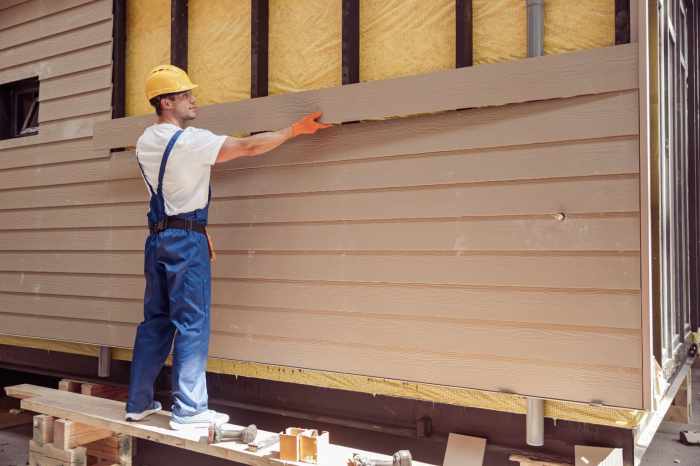
As we conclude this exploration of home siding installation, remember that a well-installed siding not only enhances your home's aesthetics but also provides protection for years to come. Follow the tips and guidelines shared to ensure a successful siding journey.
User Queries
What are the common challenges faced during home siding installation?
Common challenges include aligning siding panels properly, ensuring weatherproofing, and addressing structural issues.
How important are proper measurements before siding installation?
Accurate measurements are crucial to ensure a precise fit and prevent wastage of materials.
What finishing touches are required after siding installation?
Finishing touches may include caulking gaps, painting or staining, and ensuring all trim work is neatly done.
What are some common issues that may arise post-installation?
Issues like warping, fading, or water damage can occur post-installation and should be promptly addressed for maintenance.
How can siding be maintained for longevity?
Regular cleaning, inspections for damage, and prompt repairs can help maintain the siding's quality and durability over time.