
Delve into the world of HVAC maintenance costs with a focus on understanding the key factors, types of services, cost-effective strategies, and average expenses. Uncover the secrets to optimizing your HVAC maintenance budget and ensuring your system runs smoothly year-round.
Factors Affecting HVAC Maintenance Costs
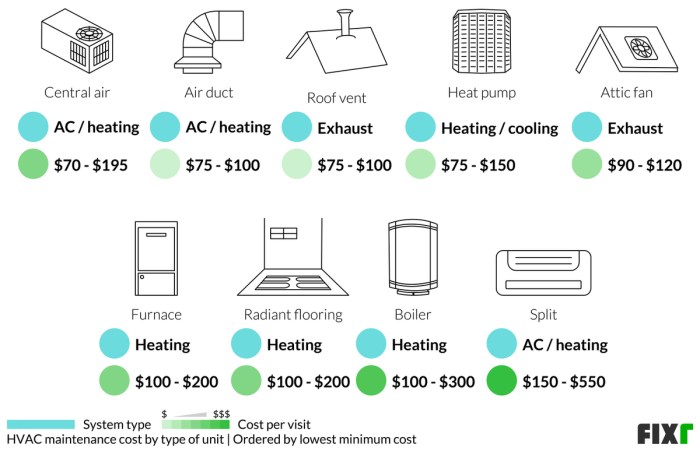
When it comes to HVAC maintenance costs, several key factors influence how much you will need to spend to keep your system running smoothly. Understanding these factors can help you budget effectively and make informed decisions about maintaining your HVAC system.
Age of the HVAC System
The age of your HVAC system plays a significant role in determining maintenance expenses. Older systems typically require more frequent repairs and replacements, as parts wear out over time. Additionally, older systems may be less energy-efficient, leading to higher utility bills.
Investing in regular maintenance for an older HVAC system can help extend its lifespan and reduce the need for costly repairs.
Regular Maintenance
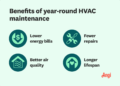
Regular maintenance is crucial for keeping your HVAC system operating efficiently and reducing long-term costs. By scheduling routine inspections and tune-ups, you can identify potential issues early on and prevent major breakdowns. Regular maintenance also helps improve energy efficiency, saving you money on utility bills.
Investing in preventive maintenance can ultimately save you money by avoiding expensive repairs and premature system replacements.
Types of HVAC Maintenance Services
When it comes to HVAC maintenance, there are different types of services offered to ensure the smooth operation of your system. Understanding these services and their associated costs can help you make informed decisions about the upkeep of your HVAC system.
1. Routine Maintenance
- Regular inspections and tune-ups to prevent breakdowns
- Cleaning of filters and ducts to improve air quality
- Lubrication of moving parts to reduce wear and tear
2. Emergency Repairs
- Immediate response to unexpected breakdowns or malfunctions
- Replacement of faulty components to restore functionality
- Costs can be higher due to urgency and specialized labor
3. Preventive Maintenance
Preventive maintenance involves regular inspections and proactive measures to identify and address potential issues before they escalate into costly repairs. By investing in preventive maintenance, you can effectively control costs associated with emergency repairs and prolong the lifespan of your HVAC system.
Cost-Effective Strategies for HVAC Maintenance
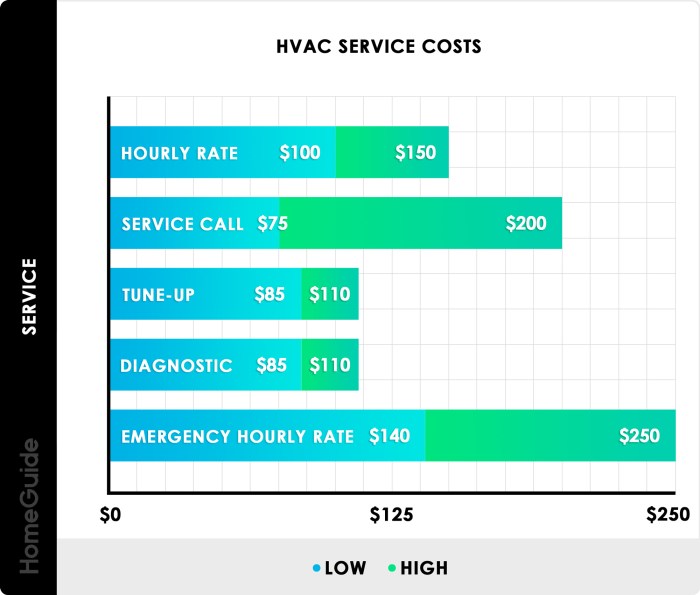
Regular HVAC maintenance is essential to ensure the longevity and efficiency of your system. Here are some cost-effective strategies to help homeowners reduce HVAC maintenance costs:
Schedule Regular Maintenance
Scheduling regular maintenance with a professional HVAC technician can help in identifying and fixing minor issues before they escalate into costly repairs. By investing in preventive maintenance at least once a year, you can keep your system running smoothly and avoid unexpected breakdowns.
Replace Air Filters Regularly
Replacing air filters every 1-3 months can improve the efficiency of your HVAC system by ensuring proper airflow and reducing strain on the components. This simple maintenance task can help in preventing costly repairs and extending the lifespan of your system
Seal and Insulate Ductwork
Properly sealing and insulating ductwork can prevent air leaks and improve the overall efficiency of your HVAC system. By addressing these issues, you can reduce energy waste and lower your utility bills, ultimately saving money on maintenance costs in the long run.
Consider Programmable Thermostats
Installing a programmable thermostat can help in optimizing the operation of your HVAC system by automatically adjusting the temperature based on your schedule. This can lead to energy savings and reduced wear and tear on your system, lowering the need for frequent maintenance and repairs.
Avoid DIY Maintenance Unless Qualified
While some maintenance tasks can be done by homeowners, such as changing air filters, more complex issues should be handled by professional technicians. Attempting DIY repairs without the necessary expertise can often lead to more damage and higher repair costs in the long term.
Average Costs for HVAC Maintenance
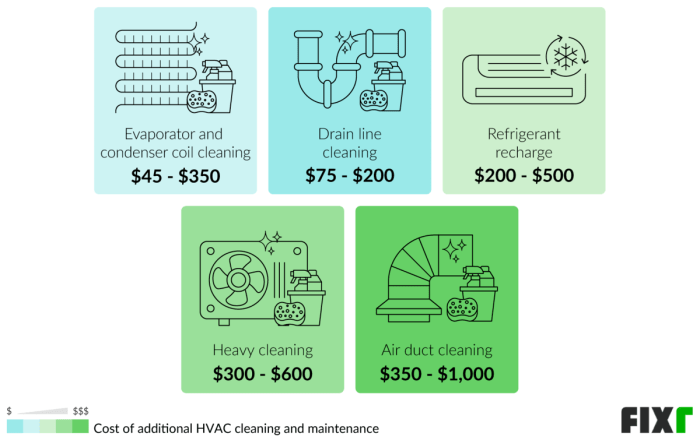
Annual HVAC maintenance costs can vary depending on various factors such as the type of system being serviced, the level of maintenance required, and the geographical location of the property. On average, homeowners can expect to pay between $100 to $300 for a standard maintenance service.
However, more extensive maintenance plans or services for complex systems can cost upwards of $500 or more.
Cost Comparison for Different HVAC Systems
- Central Air Systems: The average cost for annual maintenance of a central air system ranges from $100 to $300. This includes tasks such as cleaning the coils, checking refrigerant levels, and inspecting electrical components.
- Ductless Systems: Maintenance costs for ductless systems tend to be slightly lower, averaging between $80 to $250 per year. These systems require cleaning of filters, inspecting the outdoor unit, and checking for refrigerant leaks.
Geographical Influence on Maintenance Costs
Geographical location can play a significant role in determining HVAC maintenance costs. Areas with extreme weather conditions may require more frequent maintenance visits, leading to higher overall costs. Additionally, regions with higher labor rates or living costs may also see an increase in maintenance expenses.
Outcome Summary
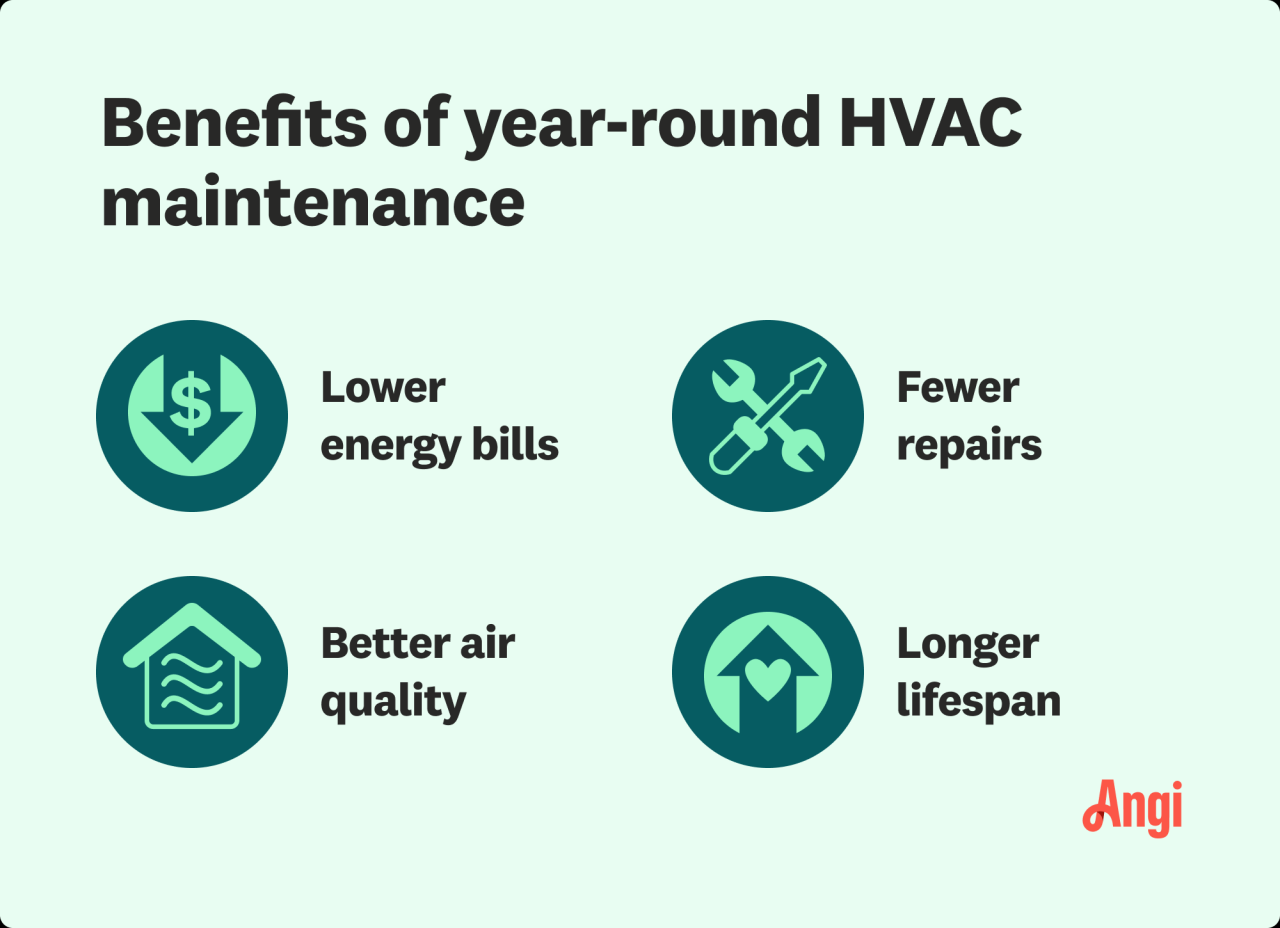
In conclusion, managing HVAC maintenance costs is essential for the longevity and efficiency of your system. By implementing cost-effective strategies and staying proactive with regular maintenance, you can minimize unexpected expenses and enjoy a comfortable indoor environment.
Commonly Asked Questions
What are the key factors influencing HVAC maintenance costs?
The key factors include the type of system, frequency of maintenance, and any necessary repairs or replacements.
How does the age of the HVAC system affect maintenance expenses?
Older systems may require more frequent repairs and replacements, leading to higher maintenance costs.
Why is preventive maintenance important for controlling costs?
Preventive maintenance helps catch potential issues early, preventing costly repairs down the line.