

Embark on a journey through the world of exterior design, where buildings come to life through innovative architectural concepts and aesthetic principles. From iconic structures to modern residential homes, the exterior design plays a crucial role in shaping our built environment.
Delve deeper into the key elements, trends, and processes that define exterior design, uncovering the secrets behind creating visually stunning and functional spaces.
Importance of Exterior Design
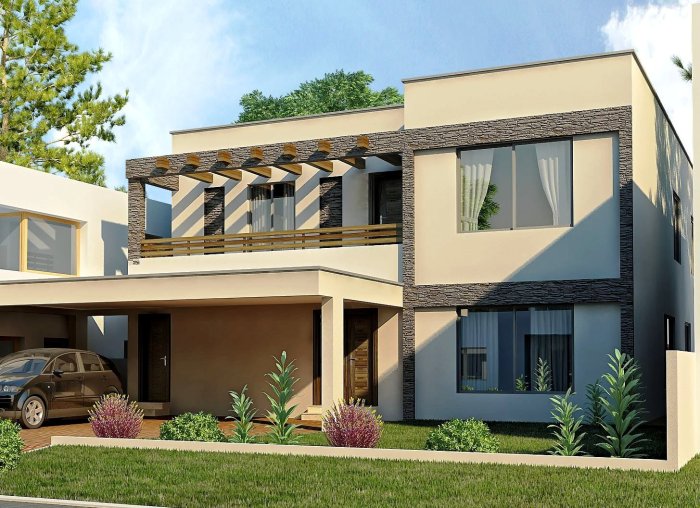
Exterior design plays a crucial role in architecture as it is the first impression people get of a building. It sets the tone for what to expect inside and reflects the purpose and identity of the structure.
Impact on Aesthetics
The exterior design of a building greatly influences its overall aesthetics. A well-thought-out exterior design can enhance the visual appeal of a building, making it stand out and become a landmark in its surroundings. On the other hand, a poorly designed exterior can detract from the beauty of the architecture and even diminish its value.
Examples of Innovative Exterior Design
- The Guggenheim Museum in Bilbao, Spain, designed by Frank Gehry, is renowned for its unconventional and striking exterior made of titanium panels, creating a futuristic and dynamic look.
- The Sydney Opera House in Australia, designed by Jørn Utzon, features a unique sail-like design that has become an iconic symbol of the city, showcasing the importance of exterior design in creating memorable landmarks.
- The Burj Khalifa in Dubai, designed by Skidmore, Owings & Merrill, is not only the tallest building in the world but also known for its sleek and modern exterior design that reflects the city's aspirations for innovation and luxury.
Elements of Exterior Design
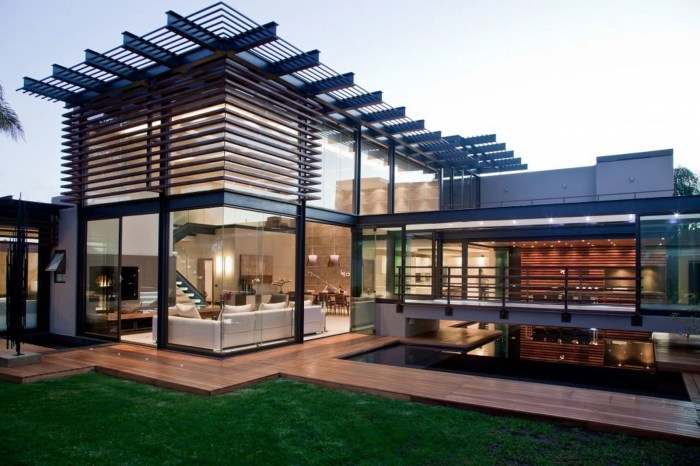
When it comes to creating a well-designed exterior, there are several key elements that play a crucial role in achieving a cohesive and visually appealing look. These elements work together to enhance the overall aesthetic and functionality of a building's exterior.
Role of Materials in Enhancing Exterior Design
Materials used in exterior design can significantly impact the appearance and durability of a building. The choice of materials such as wood, stone, brick, metal, or glass can help create a unique and stylish look while also ensuring that the exterior is able to withstand the elements.
The texture, color, and finish of materials can also add depth and character to the design, making it more visually interesting.
Importance of Landscaping in Exterior Design
Landscaping plays a vital role in enhancing the curb appeal of a property and complementing the overall design of the exterior. Well-planned landscaping can soften the harsh lines of a building, add color and texture, and create a welcoming and inviting atmosphere.
Elements such as trees, shrubs, flowers, pathways, and outdoor lighting can all contribute to a cohesive and harmonious exterior design that reflects the style and personality of the property.
Trends in Exterior Design
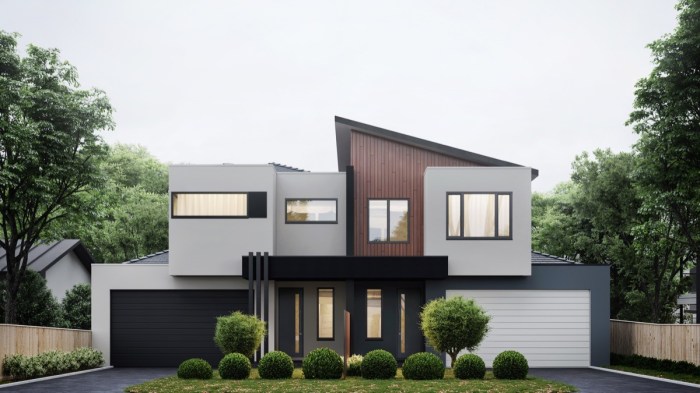
Exterior design trends for residential buildings are constantly evolving to reflect changing styles, technologies, and environmental concerns. Let's explore some of the current trends in exterior design, comparing traditional and modern approaches, as well as sustainable practices.
Traditional vs. Modern Approaches
Traditional exterior design often features classic elements such as brick or wood siding, pitched roofs, and intricate detailing. In contrast, modern exterior design tends to favor clean lines, large windows, and innovative materials like metal and glass. While traditional designs evoke a sense of history and charm, modern designs offer a sleek and minimalist aesthetic.
Sustainable Practices and Environmental Impact
Sustainable practices in exterior design are becoming increasingly important as we strive to reduce our carbon footprint and protect the environment. This includes using eco-friendly materials, incorporating energy-efficient features like solar panels and green roofs, and designing with natural lighting and ventilation in mind.
By embracing sustainable practices, we can create buildings that not only look beautiful but also contribute to a healthier planet.
Exterior Design Process
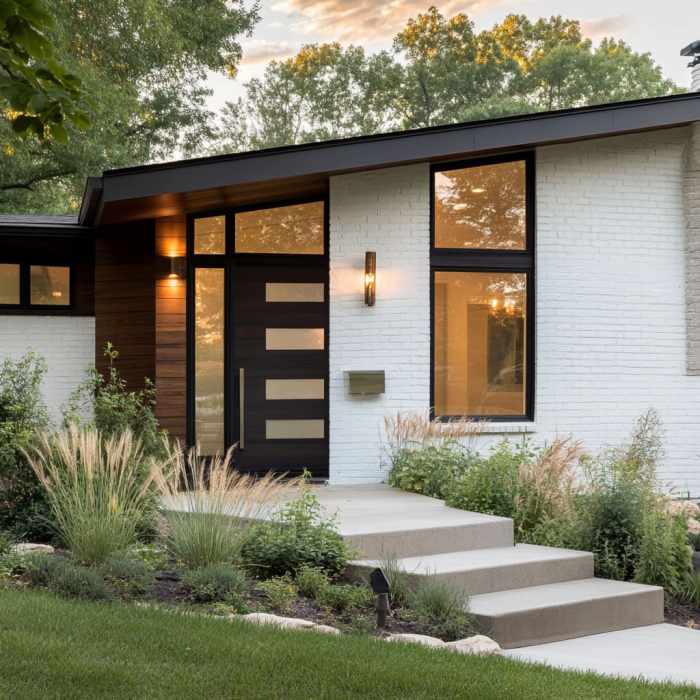
Creating an exterior design plan involves several steps that require collaboration between architects, designers, and clients. Here is an overview of the process:
1
. Initial Consultation
Architects and designers meet with clients to discuss their vision, goals, and budget for the exterior design project. This is a crucial step to understand the client's needs and preferences.
2. Site Analysis
Architects visit the site to assess factors such as sunlight exposure, landscape features, and existing structures. This information helps in determining the best design approach for the exterior.
3. Concept Development
Designers create initial sketches and concepts based on the client's input and site analysis. This stage involves brainstorming ideas and refining them to align with the client's vision.
4. Design Development
Once a concept is approved, detailed drawings and plans are created. This includes materials selection, color schemes, and specific design elements to be incorporated into the exterior design.
5. Client Review and Feedback
The client is presented with the final design plans for review and feedback. Any necessary revisions are made based on the client's input to ensure satisfaction with the proposed exterior design.
6. Construction Documentation
Final construction drawings and specifications are prepared to guide contractors during the building phase. This includes detailed instructions on how to execute the exterior design plan accurately.
7. Construction and Installation
Contractors begin building and installing the elements of the exterior design plan according to the approved documentation. Regular site visits are conducted to ensure the project is progressing as planned.
8. Final Inspection and Completion
Once construction is finished, a final inspection is conducted to ensure that the exterior design meets the client's expectations and complies with building codes. Any remaining touch-ups or adjustments are made before project completion.
9. Maintenance and Follow-Up
Architects and designers provide guidance on maintenance schedules and care instructions to help clients preserve the integrity and beauty of their newly designed exterior. Follow-up visits may be scheduled to address any concerns or issues that arise post-construction.
Final Review
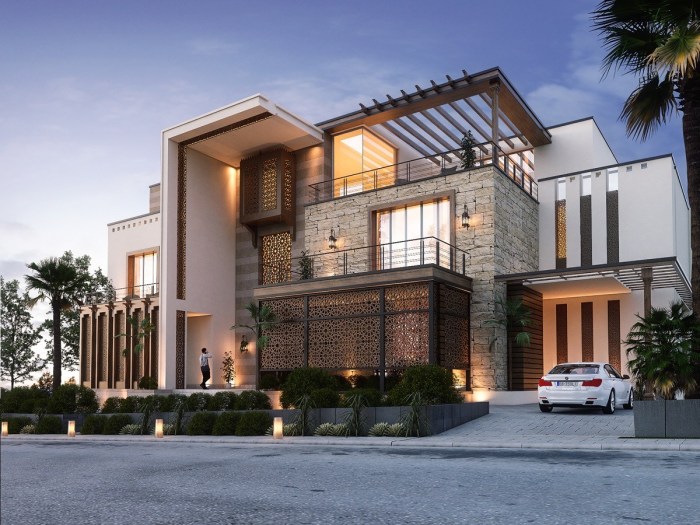
As we conclude our exploration of exterior design, we reflect on the profound impact it has on our surroundings. From sustainable practices to collaborative design processes, the future of exterior design is as exciting as it is essential in shaping the world we live in.
Answers to Common Questions
How does exterior design influence the overall aesthetics of a building?
Exterior design sets the first impression of a building, creating visual appeal and reflecting the architectural style and functionality of the space.
What are some examples of famous architectural structures known for their innovative exterior design?
Some examples include the Guggenheim Museum in Bilbao, the Sydney Opera House, and the Burj Khalifa in Dubai, each renowned for their unique and iconic exteriors.
What role do materials play in enhancing exterior design?
Materials such as glass, metal, wood, and concrete can significantly impact the look and feel of a building's exterior, contributing to its overall design aesthetic.
How can homeowners enhance their home's exterior design?
Homeowners can improve their home's exterior by adding landscaping elements, updating the facade with new materials, and incorporating design elements that complement the overall architecture.
What are the steps involved in creating an exterior design plan?
The steps typically include initial concept development, schematic design, design development, construction documentation, and finally, construction and implementation.